Gas lines in Baton Rouge homes may supply water heaters, ranges, furnaces, fireplaces, dryers, generators, and outdoor appliances. Because Louisiana homes face heat, humidity, heavy rainfall, and wet soil conditions, choosing the right gas piping material is about more than simply connecting an appliance.
Quick answer: Gas lines commonly use black steel pipe, approved corrugated stainless steel tubing (CSST), or approved polyethylene (PE) gas pipe for certain underground installations. Copper tubing may also be permitted when it meets applicable requirements and is compatible with the gas supply. Standard PVC and CPVC plumbing pipe should not be used to carry fuel gas. The correct material depends on whether the line is indoors, outdoors, underground, exposed to moisture, and serving natural gas or propane.
What local readers should know
- Black steel is a common choice for rigid interior gas piping because it is strong and suitable for many residential installations.
- Listed CSST can provide flexibility when routing gas lines through a Baton Rouge home, but it must be installed according to its listing and manufacturer requirements.
- Approved PE gas pipe is commonly suited to underground outdoor applications, not general indoor gas piping.
- East Baton Rouge Parish property owners should consider local permit, inspection, and code requirements before altering a fuel-gas system.
- Gas pipe must be sized for the connected appliances, not simply matched to an existing pipe by appearance.
Why Does Gas Pipe Material Matter in Baton Rouge?
Gas pipe material matters in Baton Rouge because each material has specific approved uses, installation requirements, and exposure limitations, and local moisture conditions can make corrosion protection especially important.
Our humid Gulf Coast climate brings long periods of moisture along with substantial rainfall. Outdoor or underground metallic piping can therefore require specific corrosion protection. Properties near areas such as Mid City, Southdowns, Broadmoor, Shenandoah, and the Garden District can also differ considerably in age and construction.
Pro Plumbing helps local property owners address plumbing and gas piping needs. When we evaluate a gas line, the material is only one part of the system. Pipe size, routing, appliance demand, connections, valves, protection, and testing all matter.
What Types of Pipe Can Be Used for Gas Lines?
Gas lines can use several approved materials, including steel pipe, listed CSST, certain copper or copper-alloy tubing, and approved plastic gas piping in permitted applications.
The International Fuel Gas Code recognizes several metallic piping and tubing materials when they meet the applicable standards. Steel, stainless steel, and wrought-iron pipe are among the options. Listed corrugated stainless steel tubing is another.
Copper and copper-alloy tubing can be acceptable under specified conditions, but compatibility with the supplied gas must be considered.
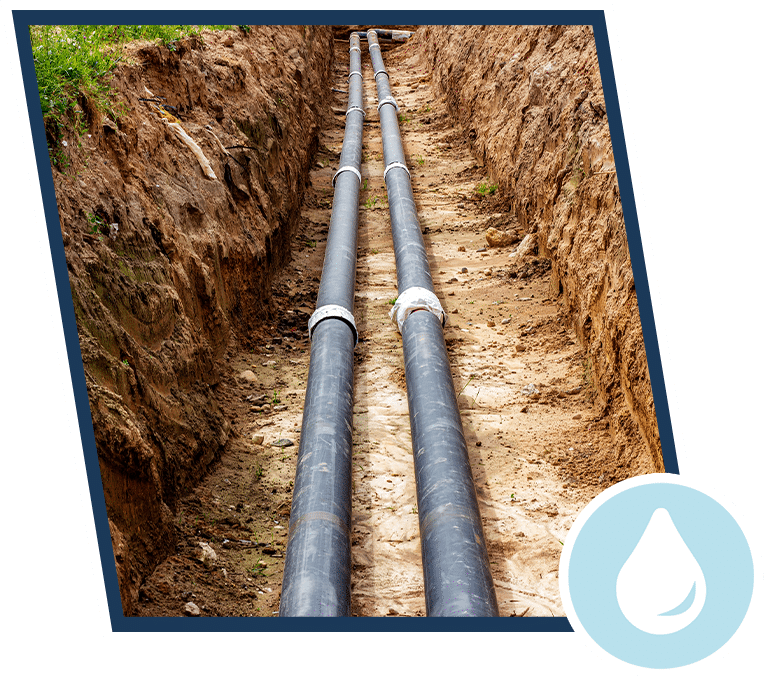
For outdoor underground installations, approved PE gas pipe is another option. It is manufactured specifically for fuel-gas service and is different from ordinary plastic plumbing pipe.
Can You Use Black Steel Pipe for a Gas Line?
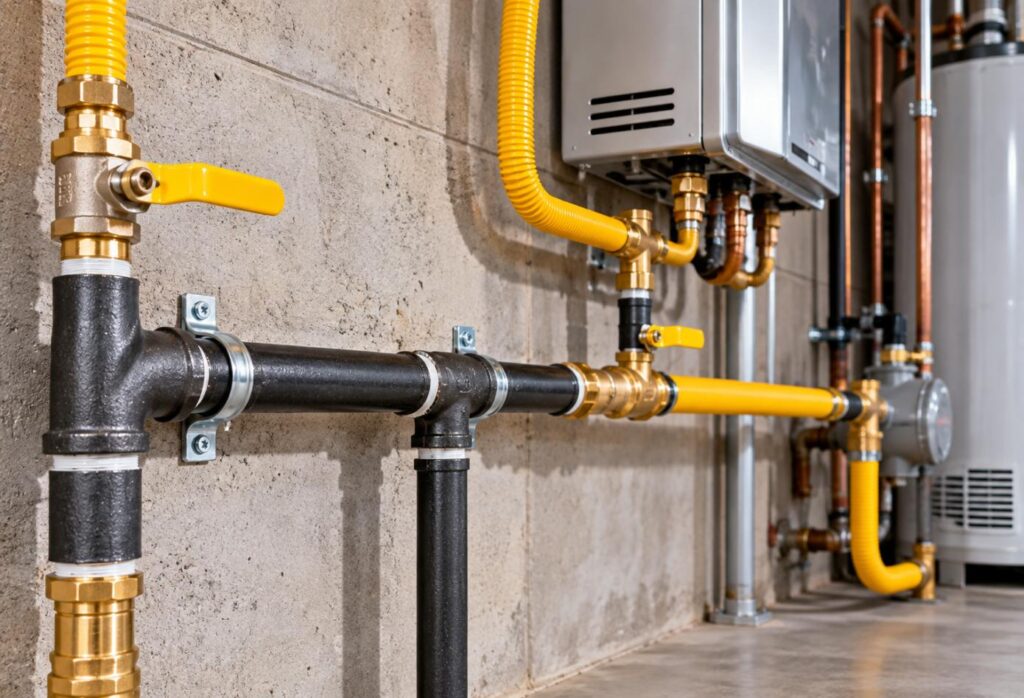
Black steel pipe is commonly used for gas lines because it provides a durable, rigid piping system that works well in many accessible and concealed building applications.
In Baton Rouge homes, steel piping may be encountered around water heaters, ranges, furnaces, and other gas appliances. Its rigidity can be useful where the piping needs a stable route and protection from physical damage.
Steel exposed to soil or corrosive moisture conditions requires appropriate protection. Simply placing unprotected steel underground is not the same as installing a compliant underground gas piping system.
Can You Use CSST for a Gas Line?
CSST can be used for gas piping when the tubing is listed for fuel-gas service and installed according to its approval, manufacturer instructions, and applicable code requirements.
CSST is flexible, which can make routing through certain homes easier than assembling a long series of rigid steel fittings. That flexibility does not make installation requirements optional.
Proper support, protection from physical damage, approved fittings, and applicable bonding requirements must all be addressed. Existing CSST should also be evaluated as a complete installed system rather than judged by the tubing alone.
Can You Use Plastic Pipe for an Underground Gas Line?
Approved plastic gas pipe can be used in certain outdoor underground installations, but ordinary PVC or CPVC plumbing pipe cannot be substituted for approved fuel-gas piping.
The International Fuel Gas Code identifies polyethylene gas piping manufactured to applicable standards and marked for gas service. Plastic gas pipe is generally restricted to outdoor underground use, subject to specific exceptions and installation requirements.
For properties throughout East Baton Rouge Parish, underground routing also introduces questions about burial depth, transition fittings, tracer wire, soil conditions, and protection where the line returns above grade.
What Are the Warning Signs of a Gas Line Problem?
Gas line warning signs include a gas odor, unexplained appliance problems, visible pipe corrosion, damaged piping, hissing near a connection, or a gas appliance that repeatedly fails to operate correctly.
Watch for:
- A sulfur-like or rotten-egg odor that may indicate odorized gas.
- Hissing or unusual sounds near gas piping or fittings.
- Visible rust or significant corrosion on exposed metallic piping.
- Bent, crushed, punctured, or otherwise damaged piping.
- Gas appliances that repeatedly lose their fuel supply.
- Damage around an outdoor gas line after excavation or landscaping.
- Deteriorated connections or valves.
- Suspected leaks after renovation work near concealed piping.
If you smell gas or suspect an active leak, avoid trying to locate or repair the leak yourself. Leave the affected area and follow your gas utility’s emergency instructions.
When Should You Call a Professional for a Gas Line?
You should call a qualified professional when a gas line needs installation, extension, replacement, pressure testing, leak diagnosis, or modification for a new appliance.
A homeowner can visually monitor accessible piping for obvious damage without taking anything apart. Work involving gas-containing fittings, pipe sizing, pressure testing, or rerouting should be handled as professional gas piping work.
The City of Baton Rouge and East Baton Rouge Parish also maintain permit and inspection requirements for applicable residential construction. A gas piping project should be planned around the requirements that apply to that specific property and scope of work.
What Common Local Conditions Affect Gas Lines?
Moisture exposure, soil conditions, renovation activity, aging piping, and appliance additions are common factors that can affect gas lines in the Baton Rouge area.
1. Moisture and corrosion: Louisiana humidity and rainfall can be hard on inadequately protected metal components.
2. Underground conditions: Buried lines require approved materials, adequate depth, and proper protection.
3. Older homes: Areas such as Capital Heights and the Garden District include established housing where gas piping may have been altered during previous renovations.
4. Appliance additions: Adding a gas range, tankless water heater, fireplace, or generator can change the total demand placed on an existing system.
5. Remodeling: Cutting, drilling, and demolition can put concealed piping at risk if its location is not identified beforehand.
How Can You Help Prevent Gas Line Problems?
Gas line problems can be reduced by protecting piping from damage, watching for corrosion, having alterations professionally evaluated, and avoiding unapproved DIY materials or fittings.
Before digging for landscaping or another project, have underground utilities properly located. During renovations, determine where gas lines run before drilling, cutting, or removing walls.
Do not paint over severe corrosion and assume the problem has been solved. Likewise, do not use plumbing fittings or plastic pipe simply because they physically fit. Fuel-gas components must be approved for their intended service.
What Results Should You Expect From Professional Gas Line Service?
Professional gas line service should result in piping selected, sized, routed, connected, protected, and tested for the intended appliances and installation conditions.
For a new line, that can include determining appliance demand, choosing an appropriate pipe size, planning the route, installing approved materials, and completing required testing.
For an existing system, service may involve locating a leak, evaluating damaged sections, replacing unsuitable components, or determining whether an appliance addition requires changes to the piping system.
What Gas Line Mistakes Should Homeowners Avoid?
The biggest gas line mistakes are choosing pipe based only on convenience, ignoring sizing requirements, using the wrong plastic piping, and treating fuel-gas work like ordinary water plumbing.
Mistake: Using PVC or CPVC water pipe for fuel gas.
Consequence: These materials are not approved as fuel-gas supply piping under the International Fuel Gas Code.
Better approach: Use material specifically approved for the application.
Mistake: Copying the size of an existing line.
Consequence: The new appliance may not receive adequate gas under full demand.
Better approach: Size the system according to appliance loads, gas pressure, piping length, and applicable sizing methods.
Mistake: Ignoring corrosion.
Consequence: Deterioration can continue beneath coatings or at moisture-prone locations.
Better approach: Have significant corrosion evaluated rather than simply covering it.
What Is a Common Baton Rouge Gas Line Scenario?
A common Baton Rouge scenario is adding a gas appliance to an existing home and discovering that the project involves more than extending the nearest pipe.
For example, a homeowner may want to add a gas range or standby generator. The closest gas line may look large enough, but its capacity depends on the entire piping layout and existing appliance demand.
The better approach is to evaluate the system first, determine the required capacity, and then choose the appropriate route, pipe material, and size.
What Gas Line Services Can Address These Problems?
Gas line installation, inspection, leak diagnosis, repair, rerouting, and appliance supply-line work can address many common residential fuel-gas piping needs.
Our goal is to determine what the system actually requires before recommending a solution. That may mean repairing a specific section rather than replacing everything, or it may mean installing a properly sized new branch for an added appliance.
Need help evaluating a gas line?
How Do Black Steel, CSST, and PE Gas Pipe Compare?
Black steel, CSST, and PE gas pipe serve different purposes, so the best option depends primarily on where and how the line will be installed.
| Material | Common Application | Key Consideration |
|---|---|---|
| Black steel | Interior and other approved gas piping routes | Rigid, durable, and requires appropriate corrosion protection where exposed to corrosive conditions |
| CSST | Approved interior routing | Flexible but must follow listing, protection, and installation requirements |
| PE gas pipe | Outdoor underground gas piping | Must be approved for gas service and installed under applicable underground piping rules |
| Copper tubing | Certain approved gas installations | Must meet material standards and be compatible with the gas supplied |
| PVC/CPVC | Not for fuel-gas supply piping | Should not be substituted for approved gas pipe |
There is no single material that is best for every project. Installation location, appliance demand, exposure, code requirements, and existing piping determine the better choice.
Where Does Pro Plumbing Provide Gas Line Help?
We serve property owners in Baton Rouge and the surrounding service area with plumbing solutions based on the needs of the individual property.
Homes and businesses throughout East Baton Rouge Parish can vary considerably in age, layout, appliance demand, and existing piping, so gas line recommendations should be based on an on-site evaluation rather than a one-size-fits-all material choice.
What Can Happen If You Ignore a Damaged Gas Line?
Ignoring suspected gas line damage can allow corrosion, leakage, inadequate appliance supply, or physical damage to remain unresolved and potentially create a serious safety concern.
Waiting is especially risky when you already smell gas, see substantial corrosion, or know that piping was damaged during construction or excavation. These conditions call for prompt attention rather than continued monitoring.
Concerned about damaged or aging gas piping?
FAQ
What is the best pipe for a gas line in Baton Rouge?
The best gas pipe depends on its location and purpose. Black steel is common for rigid building piping, listed CSST can work for approved flexible installations, and approved PE gas pipe is suited to certain underground outdoor applications. A professional should select the material after considering routing, demand, exposure, and applicable code.
Can I use PVC for a natural gas line in Baton Rouge?
No, standard PVC and CPVC pipe should not be used as fuel-gas supply piping. The International Fuel Gas Code specifically distinguishes approved fuel-gas plastics such as qualifying polyethylene from PVC and CPVC. Do not assume that a pipe approved for water, drainage, or another plumbing application is approved for natural gas.
Can gas lines be buried in East Baton Rouge Parish?
Yes, gas lines can be installed underground when approved piping and installation methods are used. Underground work involves requirements concerning material, burial, corrosion protection, transitions, and locating nonmetallic pipe. The exact installation should comply with the requirements applicable to the property and project.
Is black pipe better than CSST for Louisiana homes?
Neither black steel nor CSST is automatically better for every Louisiana home. Black steel provides a rigid, durable installation, while listed CSST offers flexibility for certain routing situations. The right choice depends on the building, piping route, physical protection requirements, appliance demand, and other installation conditions.
Can I install my own gas line in Baton Rouge?
Gas line installation involves significant safety, code, testing, and permitting considerations, so professional service is the safer approach for most property owners. City-Parish requirements can also apply depending on the work. Connecting pipe successfully is not enough. The completed system must be properly sized, installed, and tested.
What size gas pipe does my home need?
Gas pipe size depends on appliance demand, piping length, available pressure, material, and system configuration. A pipe should not be sized simply by copying another line in the house. Adding a high-demand appliance can require evaluating other connected appliances and the capacity of the existing system.
Does Louisiana humidity affect gas piping?
Louisiana’s humid, rainy environment can increase the importance of corrosion protection where metallic gas piping is exposed to moisture or soil. The International Fuel Gas Code includes specific corrosion-protection provisions for piping exposed to corrosive conditions. Visible deterioration on existing gas piping deserves professional evaluation.
Do I need a new gas line when adding a generator?
A generator may require new or modified gas piping if the existing system cannot provide the required fuel volume while other appliances are operating. The existing meter, pressure, pipe sizes, lengths, and connected appliance loads may all need evaluation before a generator gas connection is installed.
Choose the Right Gas Pipe for Your Baton Rouge Property
The safest gas piping choice is the material that fits the installation, appliance demand, environment, and applicable requirements. We can evaluate the existing system and help determine the appropriate approach without treating every property or gas line the same.
Get a Gas Line Solution Designed for Your Property
Have your gas piping evaluated before a small concern becomes a larger repair or interrupts the appliances you rely on.