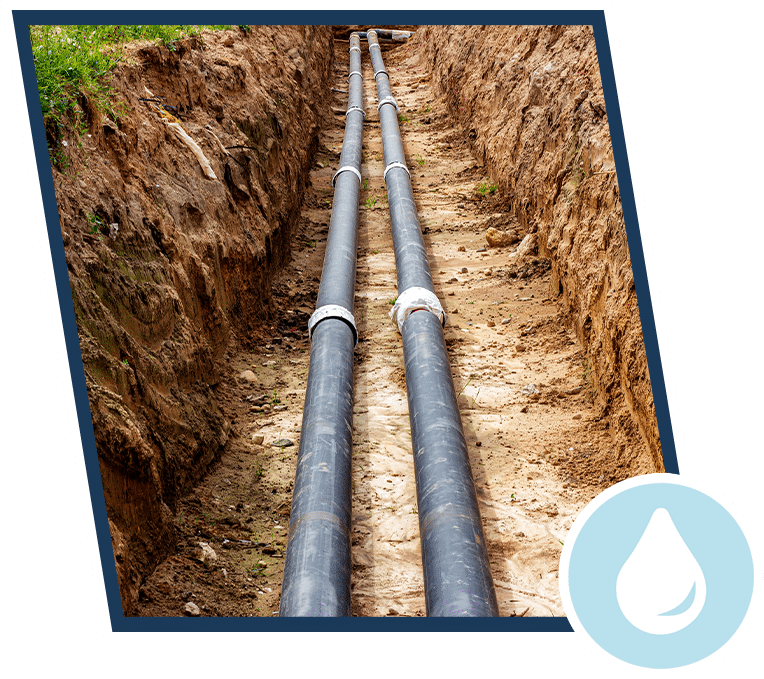


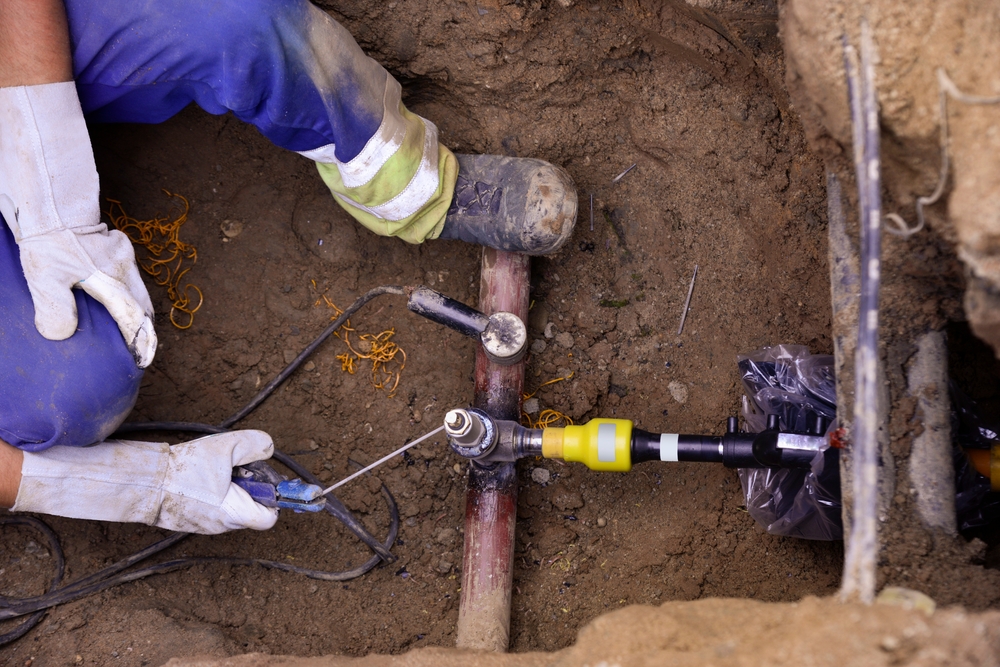
Adding a gas range, outdoor kitchen, standby generator, fireplace, or other gas appliance can make a gas-line project necessary. For homeowners in Baton Rouge, though, running gas piping is not simply a matter of choosing a route and connecting a few fittings. Local permit requirements, inspections, proper sizing, and leak testing all affect how the work should be handled.
Quick answer: You may be able to perform certain work on your own property under applicable rules, but gas-line work in Baton Rouge requires careful attention to local permitting and code requirements. The City-Parish specifically identifies gas line work as a type of residential project that requires a permit. Because an incorrect installation can create a fire, explosion, or carbon monoxide hazard, professional installation is usually the safer approach.
What local homeowners should know
- Gas line work is specifically listed by the City of Baton Rouge and Parish of East Baton Rouge as work requiring a residential permit.
- Gas piping must be properly sized for the appliances it will serve, not simply matched to the nearest existing pipe.
- An installation may need inspection and testing before the new line can safely be placed into service.
- Entergy Louisiana publishes gas service standards for customers and contractors, but those standards do not replace applicable codes and regulations.
- Homes in areas such as Mid City, Southdowns, Broadmoor, and neighborhoods near LSU can differ considerably in age, layout, existing piping, and appliance configurations.
Why Does Gas Line Installation Matter in Baton Rouge?
Gas line installation matters in Baton Rouge because the piping carries combustible fuel through or around the property, making correct materials, sizing, connections, testing, and permitting essential to safe operation. A small installation error can have consequences far beyond an appliance that does not work correctly.
The City-Parish Permits & Inspections Division oversees plumbing and other construction-related permitting and inspections in the area. Its residential guidance specifically includes gas line work among projects requiring a permit.
Local housing also presents a wide range of installation situations. A house near the Garden District may have a very different existing mechanical system from newer construction closer to Bluebonnet Boulevard or properties elsewhere in East Baton Rouge Parish. Renovations can also involve rerouting piping through finished spaces or supplying new appliances that increase the total gas demand.
Pro Plumbing helps local property owners evaluate plumbing projects, including situations involving gas piping. After this first mention, we will focus on what homeowners should understand before deciding how to proceed.
What Do Local Permit Requirements Say About Gas Lines?
Local permit guidance says gas line work requires a permit for residential projects in Baton Rouge, so homeowners should determine the applicable permit and inspection requirements before beginning installation. The exact requirements can vary with the scope and location of the project.
According to the City-Parish residential permitting information, “gas line work” is specifically included among typical situations requiring a permit. The Permits & Inspections Division handles permitting, plan review, code inspections, and enforcement for residential and commercial improvements.
The City-Parish also publishes a residential mechanical, electrical, plumbing, and gas trade permit fee. Because fees and requirements can change, homeowners should verify current requirements for their specific project rather than relying on an old estimate or a previous renovation.
One local distinction is especially important. Permitting within the City of St. George transitioned away from the City-Parish process beginning October 16, 2024. Property location can therefore affect which jurisdiction should be contacted before work begins.
What Can Go Wrong With a DIY Gas Line?
A DIY gas line can go wrong through leaks, incorrect pipe sizing, unsuitable materials, poor connections, improper routing, or failure to meet inspection requirements. Unlike a dripping water connection, a leaking fuel-gas connection can create an immediate safety concern.
Potential warning signs after gas piping or appliance work include:
- A sulfur-like or rotten-egg odor associated with odorized natural gas
- Hissing near piping, fittings, valves, or an appliance connection
- An appliance that repeatedly fails to ignite or operate correctly
- Unexplained problems affecting multiple gas appliances
- Visible damage or corrosion on exposed gas piping
- A gas valve or connection that appears loose or damaged
- New appliance problems that began after piping modifications
If you suspect a gas leak, do not attempt to locate it with a flame or continue operating gas appliances. Leave the affected area and follow the emergency instructions provided by your gas utility or emergency authorities.
When Should I Call a Professional for Gas Line Work?
You should call a qualified professional when a project involves installing, extending, relocating, repairing, or sizing gas piping or connecting equipment that changes the gas demand on the system. These projects require more than the ability to physically join sections of pipe.
A homeowner can safely start by identifying the appliance being added, finding its manufacturer specifications, noting the approximate installation location, and determining where the existing gas service enters the property. That information can help a professional evaluate the project.
DIY work should stop before experimenting with live gas piping, guessing at pipe sizes, bypassing permits, or using an unverified material or fitting.
This is particularly relevant when adding outdoor kitchens, gas ranges, fireplaces, water heaters, or standby generators around East Baton Rouge Parish. Each additional appliance can affect the capacity requirements of the piping system.
What Determines How a New Gas Line Is Installed?
A new gas line is installed according to factors such as appliance demand, piping length, available gas supply, existing pipe capacity, approved materials, routing, and local code requirements. Simply extending the closest pipe is not necessarily an acceptable solution.
Common factors include:
- Appliance demand: The new appliance must receive enough fuel to operate as designed.
- Existing system capacity: Adding another appliance may change what the existing piping must supply.
- Distance: Longer piping runs can affect required pipe sizing.
- Routing: Walls, attics, crawlspaces, exterior areas, and finished rooms can influence installation options.
- Property layout: Older homes in established Baton Rouge neighborhoods may require different routing strategies than newer construction.
- Permitting and inspection: The installation must account for applicable local requirements before the system is placed into service.
How Can I Prepare for a Gas Line Installation?
You can prepare for gas line installation by choosing the appliance first, keeping its specifications available, identifying the intended location, and having the existing gas system evaluated before construction begins. Planning early can prevent an appliance purchase or remodeling decision from conflicting with the available gas supply.
For a kitchen remodel, for example, do not wait until cabinets and flooring are complete to decide where a gas range will sit. Outdoor kitchen projects should likewise account for gas piping before patios, counters, or other finished surfaces make routing more difficult.
Generator projects require similar planning. The gas supply must be considered alongside the equipment location and the other appliances already served by the system.
Baton Rouge homeowners should also determine which permitting jurisdiction applies to their address before work starts, particularly if the property is within St. George.
What Results Should I Expect From Professional Gas Line Installation?
Professional gas line installation should result in piping that is appropriately planned for the intended appliance, installed using applicable materials and methods, tested as required, and prepared for the relevant inspection process. The exact work depends on the existing system and the appliance being added.
A professional may need to evaluate the existing piping before determining whether a simple branch line is appropriate or whether additional changes are necessary.
Homeowners should also expect the installation process to account for access. Running a line to an outdoor grill near the house, for example, may involve a very different amount of work from supplying equipment on the opposite side of the property.
What Are Common Gas Line Installation Mistakes?
Common gas line installation mistakes include guessing at pipe size, skipping permits, choosing materials without confirming their suitability, and treating leak testing as optional. A better approach is to plan the entire gas system around the equipment being served and applicable local requirements.
Mistake: Choosing pipe based only on the existing connection.
Consequence: The system may not adequately serve the combined appliance load.
Better approach: Have the gas demand and piping configuration evaluated.
Mistake: Installing the line before checking permit requirements.
Consequence: The project may need correction or additional inspection steps.
Better approach: Confirm the applicable jurisdiction and requirements first.
Mistake: Covering piping before required inspection.
Consequence: Finished surfaces may have to be reopened.
Better approach: Coordinate inspection timing before closing walls or completing finishes.
Mistake: Assuming a successful appliance ignition proves there are no leaks.
Consequence: A connection problem may remain undetected.
Better approach: Use the appropriate testing procedure required for the installation.
What Is a Common Baton Rouge Gas Line Scenario?
A common Baton Rouge gas line scenario is a homeowner adding a gas appliance during a renovation and discovering that the existing piping needs to be evaluated before the new connection can be made. The project may look simple at first because gas piping already exists nearby.
Consider a homeowner renovating an older property in Mid City who wants to replace an electric range with a gas model. An existing gas water heater confirms that the house already has gas service, but it does not automatically mean the nearby piping can support another appliance.
The better sequence is to identify the new appliance requirements, evaluate the existing gas system, determine an appropriate route, address permitting, install the piping, and complete applicable testing and inspection before normal use.
This is a representative local scenario, not a Pro Plumbing case study.
What Services Can Help With a New Gas Line?
Gas line installation and related plumbing services can help homeowners safely plan piping for new or relocated gas appliances while addressing the existing system as a whole. The appropriate solution begins with determining what equipment needs gas and whether the current piping can support it.
We can evaluate the project requirements and discuss the plumbing work needed for the planned installation.
Request gas line service or an installation evaluation
Should I Install a Gas Line Myself or Hire a Professional?
Hiring a qualified professional is generally the better choice for gas line installation because the work involves combustible fuel, system sizing, testing, permitting, and inspection considerations. DIY work can save labor on some household projects, but gas piping carries risks that make mistakes particularly consequential.
A homeowner can handle planning tasks such as selecting an appliance, clearing the work area, and gathering specifications. The actual fuel-gas piping is where professional knowledge becomes especially valuable.
For local homeowners, professional service also helps coordinate the installation with Baton Rouge or other applicable jurisdictional requirements rather than treating permitting as an afterthought.
Where Can Local Homeowners Request Gas Line Service?
Local homeowners in Baton Rouge and surrounding communities can request professional evaluation when adding, moving, or modifying gas-powered equipment. Properties throughout East Baton Rouge Parish can present different piping configurations based on building age, remodeling history, and appliance layout.
For properties within nearby jurisdictions such as St. George, homeowners should also confirm which local permitting authority governs the project.
What Can It Cost to Ignore a Gas Line Problem?
Ignoring a suspected gas line problem can increase safety risks, disrupt appliance operation, and turn a manageable repair into a more complicated project. Gas odors, damaged piping, questionable connections, or appliance problems following recent gas work should not be treated as routine maintenance issues.
Waiting can also complicate a remodel. If improperly planned piping is concealed behind new walls, cabinets, or exterior finishes, correcting it later may require reopening completed areas.
Have a questionable gas line evaluated before finishing the project
FAQ
Do I need a permit to install a gas line in Baton Rouge?
Yes, City-Parish residential guidance lists gas line work as a project requiring a permit. The exact application and inspection requirements depend on the project. Confirm current requirements with the authority having jurisdiction before work begins, especially when a project involves other plumbing, mechanical, electrical, or remodeling work.
Can a Baton Rouge homeowner install their own gas line?
Homeowners should verify whether they are legally permitted to perform the specific work before attempting it. A permit does not eliminate the need to comply with applicable codes and inspection requirements. Because gas piping involves combustible fuel, professional installation is generally the safer option even where some homeowner-performed work may be allowed.
Does gas line work require an inspection in East Baton Rouge Parish?
Gas line work can be subject to the local permitting and inspection process. The City-Parish Permits & Inspections Division handles code inspections for construction work, and its residential guidance identifies gas line work as permit-required. Verify the inspections applicable to your particular project before concealing or placing new piping into service.
Can I add a gas line for an outdoor kitchen in Baton Rouge?
A gas line can potentially be added for an outdoor kitchen when the gas system has adequate capacity and the installation meets applicable requirements. Pipe sizing, distance, routing, appliance demand, shutoff locations, and permitting all need consideration before patios or outdoor kitchen finishes make the piping difficult to access.
Can I run a new gas line for a standby generator?
A gas line can be installed for a natural gas generator when the available supply and piping are properly evaluated for the generator’s requirements. Because a generator can represent a substantial additional gas demand, homeowners should not assume an existing nearby pipe is automatically large enough to supply it.
Does Entergy Louisiana install the gas piping inside my home?
Utility responsibilities and customer-side piping responsibilities are not the same, so homeowners should confirm the boundary for their particular service. Entergy Louisiana’s gas service standards discuss customer fuel-line planning and installation involving customers, plumbing contractors, gas fitters, and other professionals while noting that applicable codes and regulatory requirements still control.
Are gas line requirements different in St. George?
The permitting authority may be different for properties located within St. George. City-Parish information states that permitting within the City of St. George transitioned to that city beginning October 16, 2024. Homeowners should therefore confirm the correct jurisdiction before applying for a permit or beginning gas piping work.
Should I replace old gas piping during a Baton Rouge renovation?
Old gas piping does not automatically require replacement solely because of age, but renovation provides a good opportunity to have accessible piping evaluated. Visible corrosion, damage, previous modifications, appliance changes, or an inadequate system configuration may justify repair or replacement based on the condition found during inspection.
Plan Your Gas Line Project With Local Requirements in Mind
Gas piping is one part of a home where careful planning matters more than taking a shortcut. Baton Rouge homeowners should consider appliance demand, existing piping, local permits, inspection requirements, and safe testing before adding or relocating a gas connection.
Get Your Baton Rouge Gas Line Project Started Safely
A properly planned gas line helps your new appliance operate as intended while reducing avoidable installation and permitting problems. Contact us to discuss your gas line needs and the next steps for your property.