

When the power goes out, having a backup generator can mean the difference between comfort and chaos. Whether you’re a homeowner preparing for storm season or a business owner who can’t afford downtime, understanding the cost of a generator, the installation process, and the ongoing expenses will help you make a smarter investment.
This guide breaks down everything you need to know before you buy.
What Is the Average Cost of a Generator Installation?
The total cost of a generator installation depends on several factors, including the type of unit you choose, the size of your home or business, and local labor rates. On average, homeowners can expect to spend anywhere from $3,000 to $15,000 for a fully installed standby generator. Portable units are far less expensive upfront, often ranging from $500 to $2,500, but they require manual setup and don’t offer the same level of protection as a permanently installed system.
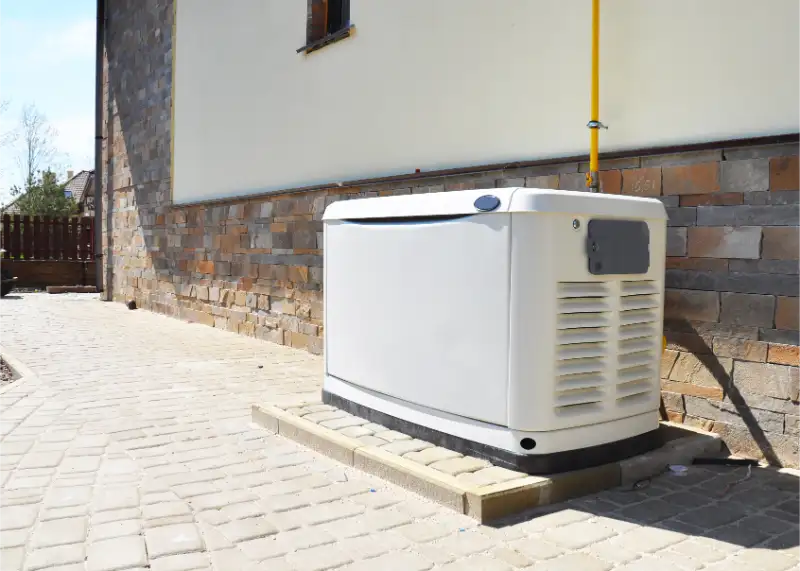
A standby backup generator is typically wired directly into your home’s electrical panel and turns on automatically when power is lost. This convenience comes at a price. A whole-home generator for a larger residence can push costs well above $15,000, especially when you factor in labor, permits, and additional electrical work. For smaller homes or those that only need to power essential appliances, a mid-range unit in the $5,000 to $10,000 range is often sufficient.
It’s also worth noting that installation prices vary significantly by region. Labor costs in urban areas like Los Angeles, California or New York, New York tend to be higher than in rural parts of the country. Getting multiple quotes from licensed electricians and generator installers in your area is always a smart first step.
Breaking Down the Cost of a Generator by Type
Not all generators are created equal, and the type you choose will have the biggest impact on your overall budget. There are three main categories to consider: portable generators, inverter generators, and standby generators.
Portable generators are the most affordable option and run on gasoline or propane. A standard gas generator in this category typically costs between $500 and $2,000. They’re great for short-term outages and camping trips, but they must be operated outdoors due to carbon monoxide risks, and they require you to manually start them and connect appliances using extension cords or a transfer switch.
Inverter generators are a step up from traditional portable units. They are quieter, more fuel-efficient, and produce cleaner power that is safe for sensitive electronics. Prices for inverter generators generally range from $1,000 to $4,000. They are a popular choice for people who want portability without sacrificing performance.
Standby generators are the gold standard for home backup power. These units are permanently installed outside your home, much like a central air conditioning unit, and are connected to your home’s natural gas or propane supply. Because they run on a fixed fuel source rather than stored gasoline, they can operate for extended periods without refueling. Standby generator prices start around $3,000 for smaller units and can exceed $20,000 for whole-home systems with high wattage capacity.
What Factors Affect Installation Costs?
Beyond the purchase price of the generator itself, several additional factors influence the final cost of a generator installation. Understanding these variables will help you budget more accurately and avoid surprise expenses.
First, the transfer switch is a critical component of any generator installation. This device safely disconnects your home from the utility grid when the generator kicks in, preventing dangerous back-feed. A manual transfer switch typically costs between $200 and $800 to install, while an automatic transfer switch, which is required for standby generators, can cost between $400 and $1,500 including labor.
Second, if you’re installing a standby generator that runs on natural gas, you may need to extend or upgrade your gas line. This can add anywhere from $200 to $1,000 to your project, depending on how far the line needs to run and local permitting requirements.
Third, concrete pad installation is often required for standby generators. The pad provides a stable, level surface for the unit and typically costs between $50 and $300 depending on size. Some installers include this in their overall quote, so it’s worth asking upfront.
Fourth, permits are almost always required for generator installations. Permit fees vary by city and county but generally range from $50 to $200. In some areas, inspections are also required after installation, which may add to your timeline and overall cost.
Finally, the complexity of your existing electrical system can drive up labor costs. Older homes with outdated wiring or smaller electrical panels may need upgrades before a generator can be properly connected, potentially adding several hundred to several thousand dollars to the project.
Gas Generator vs. Other Fuel Types: Which Is More Cost-Effective?
Fuel type is one of the most important decisions you’ll make when choosing a backup generator. A gas generator is the most common choice for portable and mid-range units because gasoline is widely available and relatively easy to store. However, gasoline has a shelf life of about 12 months even with stabilizer added, and prices at the pump can fluctuate significantly.
Propane generators are a popular alternative, particularly for standby systems. Propane burns cleaner than gasoline, has an indefinite shelf life, and can be stored in large tanks on your property. The downside is the upfront cost of the propane tank itself, which can range from $400 to $2,500 depending on size, plus ongoing refill costs.
Natural gas generators are ideal for homeowners with access to a municipal gas line. Because the fuel supply is continuous and doesn’t need to be stored, natural gas standby generators are among the most reliable options available. The tradeoff is that natural gas service can be disrupted during major disasters like earthquakes, which could leave you without power when you need it most.
Dual-fuel generators offer flexibility by running on both gasoline and propane. These units are growing in popularity because they allow homeowners to switch between fuel sources based on availability and cost. Dual-fuel models typically cost between $500 and $3,500, depending on wattage and brand.
When comparing overall cost-effectiveness, natural gas standby systems tend to win for long-term value, especially in areas prone to extended power outages. A gas generator in the portable category wins for upfront affordability, making it the right choice for homeowners on a tighter budget who still want reliable backup power.
How to Save Money on Generator Installation
Installing a generator is a significant investment, but there are several ways to reduce the overall cost without sacrificing quality or safety. Shopping during the off-season, typically fall and early winter, can yield discounts from both manufacturers and local dealers who are trying to move inventory before the new year.
Bundling your generator purchase with installation through the same company can also result in savings. Many generator dealers offer package deals that include the unit, transfer switch, concrete pad, and labor at a reduced combined rate. Always ask about package pricing before agreeing to separate quotes.
Additionally, some utility companies and state energy programs offer rebates or incentives for homeowners who install backup power systems, particularly those that incorporate renewable energy. Checking with your local utility provider in California or your state’s energy office can uncover savings you might not have known existed.
Homeowners should also consider financing options. Many generator companies offer 0% interest financing for qualified buyers, which allows you to spread the cost of a generator over 12 to 24 months without paying more in the long run.
Conclusion
Understanding the full cost of a generator, from the unit itself to installation, fuel type, and permits, helps you plan ahead and avoid budget surprises. Whether you choose a portable gas generator for occasional outages or a whole-home standby backup generator for year-round peace of mind, investing in reliable power protection is a decision most homeowners never regret. Get multiple quotes, check for local incentives, and work with a licensed professional to ensure your system is installed safely and correctly.
Need Reliable Plumbers Near You?
At Pro Plumbing, we’re committed to delivering reliable, efficient, and expert plumbing solutions you can count on every time. Whether you’re dealing with an emergency, planning a new installation, or looking to enhance your home’s comfort and safety, our team is here to help 24/7. Don’t wait until small issues become big problems—reach out to us today and let our experienced professionals take care of all your plumbing needs with the quality and care you deserve.