

Installing a gas line is a critical task that involves careful planning, skilled labor, and strict adherence to safety and legal standards. In Baton Rouge, gas line installation regulations are put in place to ensure the safety of residents, businesses, and infrastructure. Understanding these rules is essential for homeowners, contractors, and property managers planning new installations or modifications to existing gas systems.
This article will take a close look at the essential aspects of gas line regulations in Baton Rouge, including the role of permits, the importance of licensed professionals, inspection requirements, and how local codes align with national standards. Whether you are considering installing a new gas appliance or upgrading your property’s gas infrastructure, staying informed about gas line installation regulations will help you complete the project legally and safely.
The Role of Local Building Codes in Gas Line Installations
In Baton Rouge, as in many municipalities, local building codes are designed to reflect the minimum standards needed to safeguard health, safety, and general welfare. These codes govern a wide range of construction activities, including gas line installations. Baton Rouge adheres to the International Fuel Gas Code (IFGC) with some local amendments. The IFGC is part of the International Code Council’s set of building safety codes and provides comprehensive regulations for fuel gas systems, including natural gas and propane.
The City of Baton Rouge may also have specific ordinances that adjust or expand upon the base IFGC requirements to account for local climate, soil conditions, infrastructure design, and historical incident data. As a result, property owners and contractors must not only understand national codes but also be aware of how those standards are interpreted and enforced locally. Ignorance of these regulations can lead to costly delays, penalties, or unsafe installations.
All gas line installations must comply with code requirements related to pipe sizing, pressure testing, trenching depth, material types, and connection procedures. Violating these codes is not only illegal but poses significant safety risks, including gas leaks, fire hazards, and explosions.
Permit and Inspection Requirements
One of the most important aspects of gas line installation regulations in Baton Rouge is the permit and inspection process. Before beginning any work on a new or existing gas system, a permit must be obtained through the Baton Rouge Department of Development or the local building authority. This ensures that the proposed work will be reviewed by code officials and that the project is registered within the city’s inspection system.
Permit applications typically require detailed information about the type of gas being used (natural gas or propane), the scope of work, pipe materials, expected gas load, appliance specifications, and location details. Once a permit is issued, work can begin but must follow the plans submitted during the permitting process.
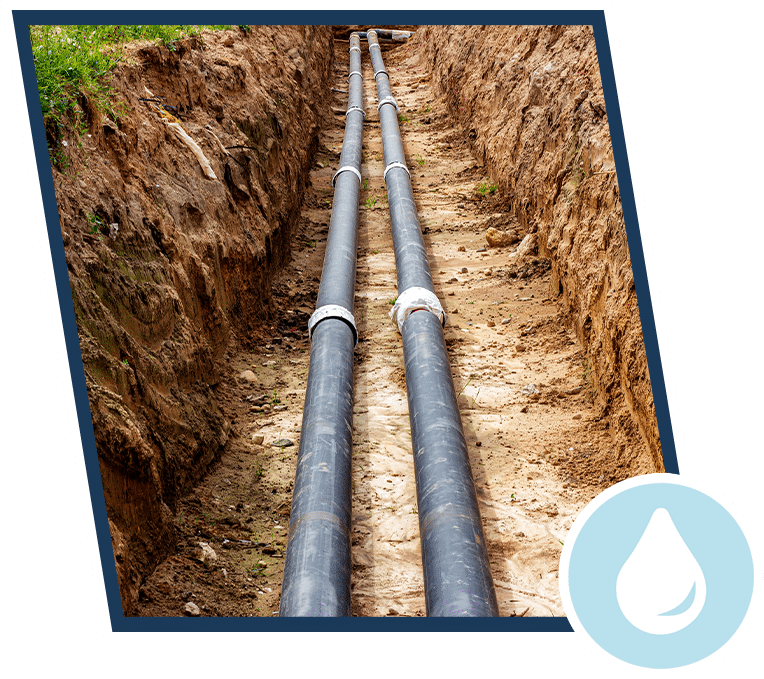
After installation, inspections are required at key stages. The primary inspection typically occurs before the trench is backfilled, which allows inspectors to verify proper depth, material compliance, and connections. A pressure test is often required to ensure there are no leaks in the system. Only after passing these inspections can the gas be turned on and the installation considered complete.
Failure to secure the necessary permits or complete inspections can result in significant fines, removal of unauthorized work, and the loss of utility service. Therefore, it is essential for all parties involved to strictly follow the established permitting and inspection protocol.
Importance of Licensed Professionals
Baton Rouge’s gas line regulations mandate that only licensed professionals are permitted to perform gas line installation work. This requirement is rooted in safety and quality assurance. Gas is a highly volatile fuel, and improper installation or handling can lead to serious consequences, including fatalities.
Licensed plumbers or gas fitters in Louisiana must pass rigorous exams that test their knowledge of codes, safety protocols, and mechanical skills. They are also required to carry insurance and stay up-to-date with code changes and safety training. In Baton Rouge, only these licensed professionals can pull permits for gas line work, making them a necessary part of any legal installation.
Using unlicensed labor or attempting a DIY gas line project not only violates local laws but also voids insurance coverage in most cases. Homeowners who cut corners in this area may find themselves liable for damages in the event of an accident. It is always advisable to verify the credentials of any contractor or plumber before allowing them to work on a gas line project.
Material and Installation Standards
Gas line installation regulations in Baton Rouge also specify what types of materials and techniques must be used. These rules help ensure system durability, leak resistance, and compatibility with the type of gas being used.
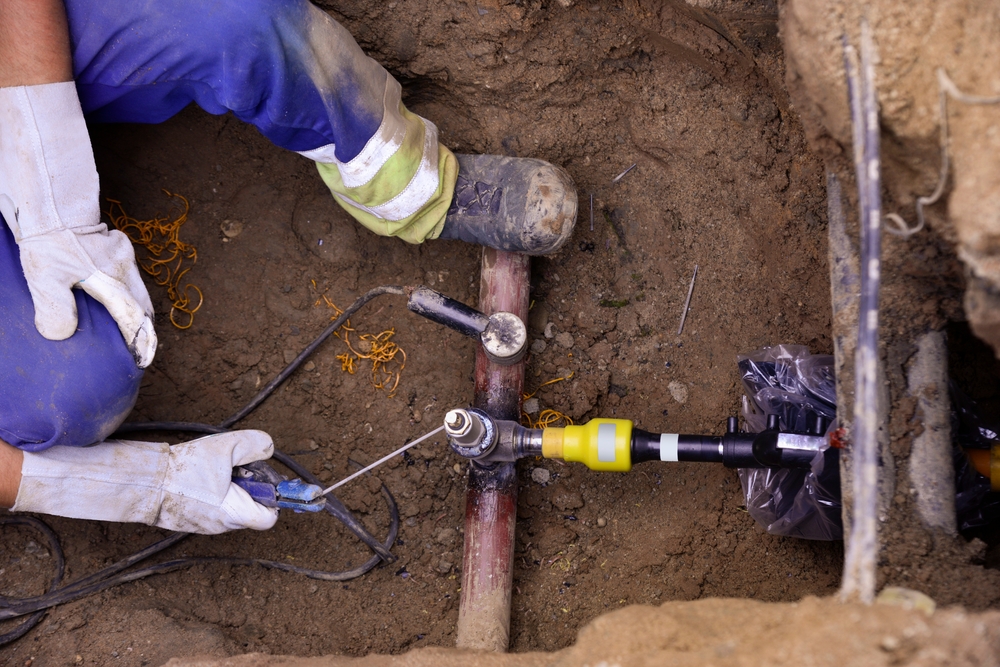
Approved piping materials for gas lines include black steel, copper (in some cases), corrugated stainless steel tubing (CSST), and polyethylene piping for underground applications. Each material has its own limitations, and local codes often dictate where and how each can be used. For instance, CSST must be properly bonded and grounded to reduce the risk of lightning-induced damage. Polyethylene piping used underground must be installed with tracer wire to allow future location and must meet specific burial depth requirements.
In addition to material selection, gas line regulations in Baton Rouge require proper sizing of the pipes based on the total BTU demand of connected appliances and the length of the pipe run. Oversized or undersized pipes can cause performance issues or create dangerous pressure imbalances.
Connection techniques must also comply with code. This includes the use of approved fittings, sealing compounds, and proper torque values. Valves must be installed at appropriate locations, including shut-off valves for appliances, and flexible connectors must meet national safety standards. Contractors must also be aware of clearance requirements around gas meters, appliances, and ventilation openings to maintain safe operating conditions.
Coordination with Utility Providers
While city building departments enforce gas line installation regulations, utility providers such as Atmos Energy also play a critical role in the installation and activation of gas service. In most cases, the utility will require proof of code compliance and inspection approval before turning on the gas supply.
Coordination with the utility company should begin early in the planning process. Homeowners or contractors must submit service request applications, which include detailed plans for the installation. The utility will then schedule a site visit, determine service line routing, and assess the capacity of the existing infrastructure.
Once the gas line installation has passed all inspections and is approved by the city, the utility company will conduct its own final inspection and pressure test before activating service. It is important to note that utilities will not energize systems that were installed without permits or fail to meet local codes. Keeping communication open with the utility company throughout the project helps avoid delays and ensures the smooth completion of the installation.
Conclusion
Gas line installation in Baton Rouge involves far more than digging a trench and laying a pipe. It is a complex process governed by detailed gas line installation regulations designed to protect public safety, ensure system performance, and maintain the integrity of utility services. From initial permits to final inspections, every step must be handled with precision and compliance in mind.
Understanding local gas line regulations is essential for anyone involved in residential or commercial gas system projects. Licensed professionals are not just preferred but required by law, and they bring the expertise needed to navigate the intricacies of code compliance. By adhering to material standards, following safe installation practices, and coordinating with utility providers, property owners and contractors can ensure a successful, legal, and safe gas line installation in Baton Rouge.
Being informed is the first step toward responsible home improvement or construction. When it comes to gas systems, that knowledge could very well be lifesaving.
Need Reliable Plumbers Near You?
At Pro Plumbing, we’re committed to delivering reliable, efficient, and expert plumbing solutions you can count on every time. Whether you’re dealing with an emergency, planning a new installation, or looking to enhance your home’s comfort and safety, our team is here to help 24/7. Don’t wait until small issues become big problems—reach out to us today and let our experienced professionals take care of all your plumbing needs with the quality and care you deserve.