

When a plumbing disaster strikes, one of the first questions homeowners ask is: “Will insurance pay for plumbing?” Plumbing problems can lead to major repairs and significant costs, especially if they cause water damage or require immediate attention. Understanding the scope of your homeowners insurance policy and what it does or does not cover is critical to protecting your finances and property. In this blog, we’ll explore the ins and outs of home insurance plumbing coverage, the types of plumbing issues that might be covered, and how to successfully file a water damage insurance claim.
Does Homeowners Insurance Cover Plumbing Issues?
Homeowners insurance can cover plumbing issues, but only under specific conditions. Generally, standard policies are designed to protect against sudden and accidental damage, not gradual wear and tear or poor maintenance. If a pipe unexpectedly bursts and causes water damage, you may be eligible for reimbursement, depending on your policy’s terms. However, if the problem results from years of neglect, aging pipes, or a known issue that wasn’t fixed in time, your claim is likely to be denied.
The key consideration in any plumbing-related claim is the cause of the issue. Insurance companies differentiate between accidental damage and problems that could have been prevented. For instance, a pipe that freezes and bursts during a cold snap might be covered if the homeowner took reasonable steps to keep the house warm. On the other hand, if the pipes froze because the home was left unheated for days, the claim might be denied.
Understanding Home Insurance Plumbing Coverage
Home insurance plumbing coverage is generally included in the dwelling protection and personal property sections of your policy. Dwelling protection covers structural damage to your home, such as floors, walls, and ceilings, if they’re damaged by water resulting from a covered plumbing event. Personal property coverage may reimburse you for belongings like furniture, electronics, or clothing ruined by water from a burst pipe or faulty appliance.
Additionally, many policies include loss of use coverage, which pays for temporary living expenses if your home becomes uninhabitable due to water damage. For example, if a pipe bursts and floods your kitchen, requiring extensive repairs that force you to stay in a hotel, this coverage may help cover those costs.
It’s important to note that insurance generally does not cover the cost of repairing the actual broken pipe or plumbing fixture itself, only the damage it caused. If your policy includes optional add-ons or endorsements, such as water backup coverage or equipment breakdown coverage, you may be able to broaden your protection to include more plumbing-related risks.
Filing a Water Damage Insurance Claim
If you’re facing a sudden plumbing disaster, knowing how to navigate a water damage insurance claim can significantly impact the outcome. First, document the damage thoroughly. Take clear photos or videos of the affected areas, including any visible leaks, wet walls, or soaked flooring. Keep records of any emergency repairs you had to make to stop further damage, as well as receipts for services or materials.
Next, notify your insurance company immediately. Most insurers have a specific time frame within which you must report damage. An adjuster will likely be assigned to inspect the damage and determine the cause. This is where things can get complicated. If the adjuster concludes that the issue was caused by neglect or a long-standing leak, they may deny the claim.
Having a plumber provide a written statement detailing the cause of the issue can support your case, especially if it was a sudden occurrence. Provide as much evidence as possible to prove that the event was accidental. Be prepared to negotiate and stay in communication with your adjuster to ensure all necessary information is included in the claim.
Specific Types of Plumbing Insurance Coverage
When evaluating whether your insurance will pay for plumbing, it’s helpful to understand coverage related to specific scenarios.
Burst pipe insurance is one of the most commonly used benefits in a homeowners policy. If a pipe bursts due to freezing or unexpected pressure and causes water to flood your home, the resulting damage is typically covered, assuming the cause was not due to neglect.
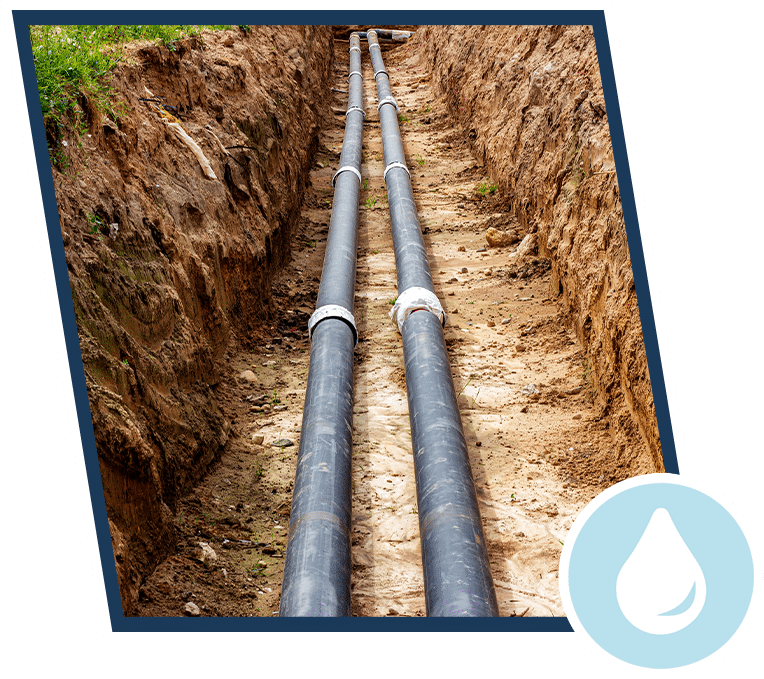
Slab leak insurance coverage, on the other hand, is a bit more complex. A slab leak refers to a leak in pipes that run under the foundation of a home. If water from the leak damages your foundation or floors, that damage may be covered, but finding and fixing the actual leak often isn’t. Some policies offer specific endorsements for slab leaks, so it’s worth checking whether your plan includes this protection.
Emergency plumbing insurance coverage is not a standard feature in most homeowners policies, but it may be available through a home warranty or as an optional add-on. This type of coverage typically helps pay for urgent repairs, such as a main sewer line backup or a late-night pipe burst. Emergency services often carry a premium price tag, so this can be a valuable addition for homeowners wanting extra peace of mind.
How to Strengthen Your Plumbing Coverage
To ensure you’re prepared for unexpected plumbing problems, it’s wise to take proactive steps beyond relying solely on a standard homeowners policy. Regular maintenance is essential. Insurers are more likely to approve a claim if they see evidence that you’ve been diligent in caring for your plumbing system.
Consider investing in a home inspection if your house is more than 20 years old. Older homes often have outdated pipes that are more prone to leaks and breaks. Replacing aging pipes might be costly upfront, but it can prevent much more expensive damage in the future.
You can also enhance your protection with additional coverage. Some insurers offer water damage riders, sewer and drain backup endorsements, or mechanical breakdown coverage. These options extend beyond basic home insurance plumbing coverage and can save you thousands in repair costs. Home warranty plans are another alternative. While not insurance, these plans cover the cost of repairing or replacing household systems, including plumbing, when they break due to normal wear and tear.
Conclusion
Understanding the answer to the question “Will insurance pay for plumbing?” depends largely on the nature of the problem and your specific policy. While homeowners insurance does cover certain plumbing issues, especially when they’re sudden and accidental, it typically excludes problems caused by neglect, poor maintenance, or gradual wear. Home insurance plumbing coverage can offer substantial financial protection, especially when dealing with water damage, burst pipes, or slab leaks, but knowing the limits of your policy is critical.
To make the most of your coverage, be sure to maintain your plumbing systems, act quickly when problems arise, and familiarize yourself with your policy’s terms. Whether you’re dealing with an emergency plumbing insurance situation or planning for long-term protection, a clear understanding of your coverage will help you avoid surprises and make informed decisions. If you’re unsure what your policy covers, consult with your insurer or a licensed insurance agent to explore additional options that could safeguard your home against plumbing disasters.
Need Reliable Plumbers Near You?
At Pro Plumbing, we’re committed to delivering reliable, efficient, and expert plumbing solutions you can count on every time. Whether you’re dealing with an emergency, planning a new installation, or looking to enhance your home’s comfort and safety, our team is here to help 24/7. Don’t wait until small issues become big problems—reach out to us today and let our experienced professionals take care of all your plumbing needs with the quality and care you deserve.